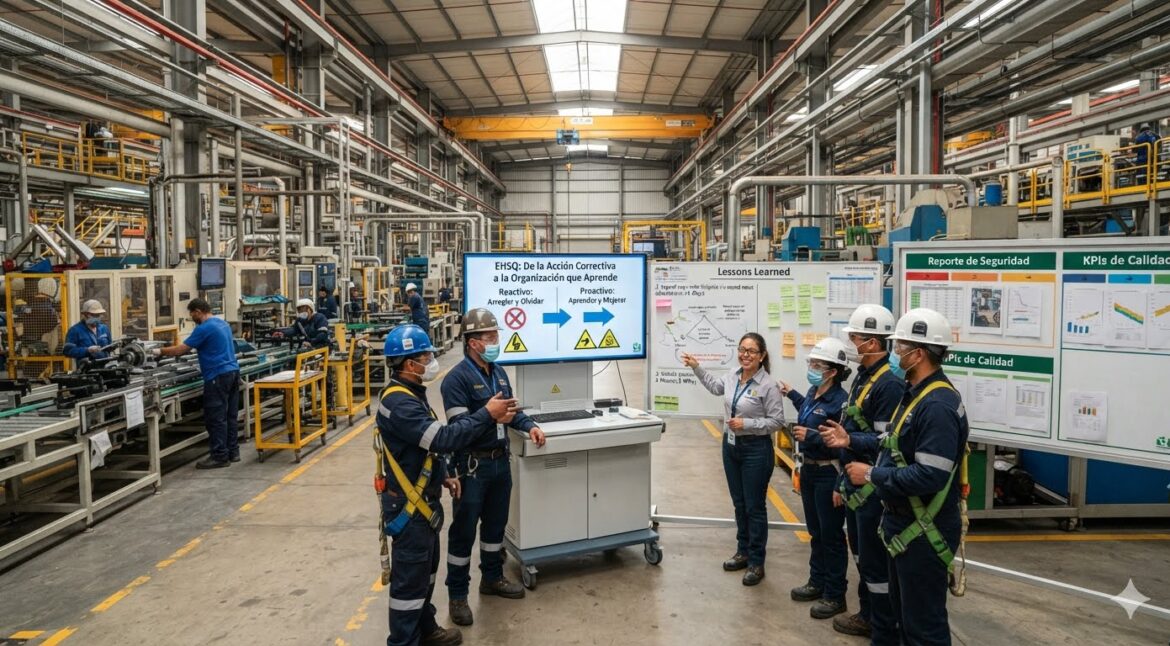

Organizations often dedicate significant effort to detecting non-conformities and implementing corrective actions. The challenge begins afterward: ensuring those actions are carried out, verifying their effectiveness, and learning from the experience. Continuous improvement, a core principle of management systems, requires that every deviation generates knowledge…
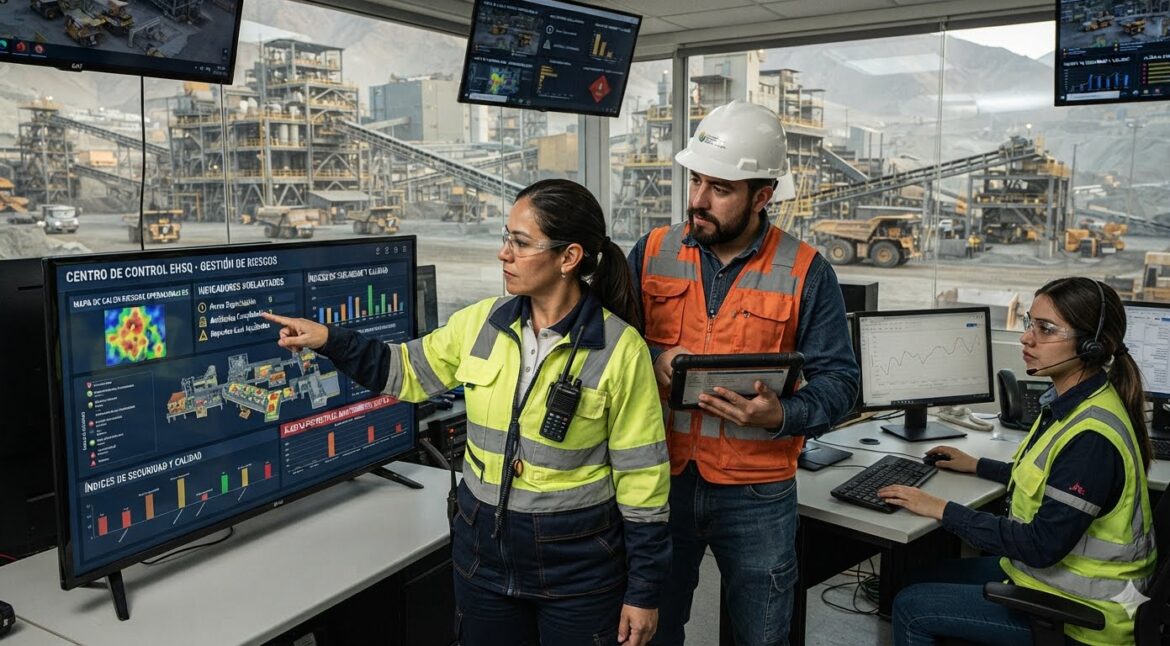
A company can have thousands of records of inspections, incidents, training sessions, audits, and medical checkups and still lack useful information for prevention. The problem is usually not a lack of data, but the difficulty in relating, interpreting, and translating it into actionable decisions. Modern EHSQ management needs to provide…
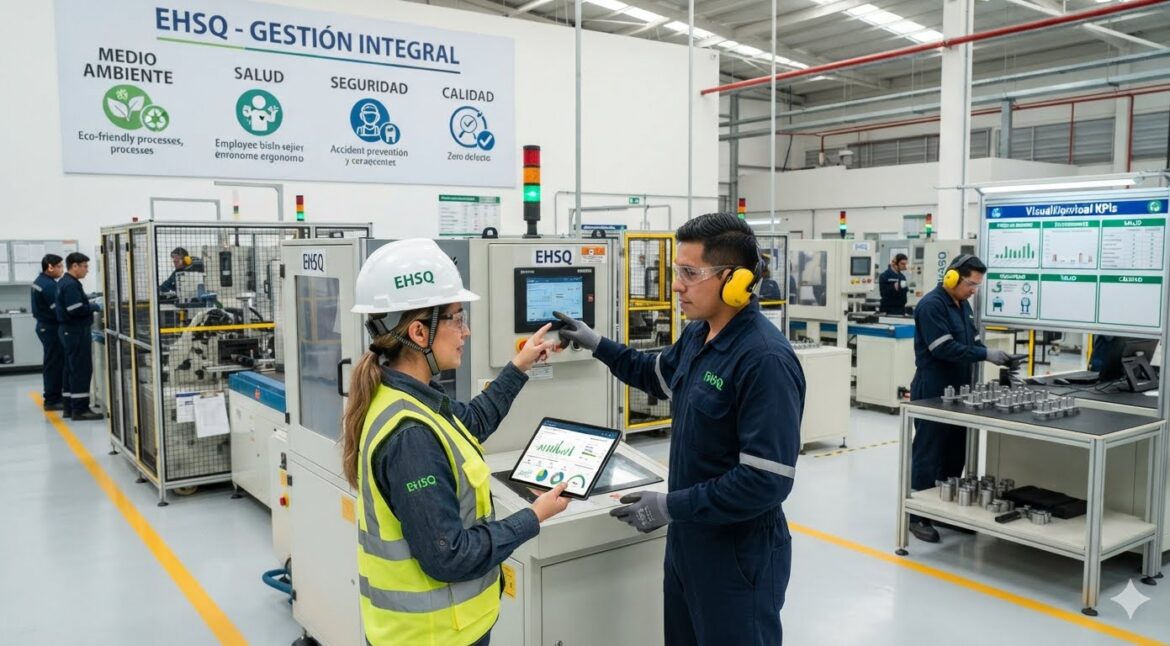
Occupational health and safety can no longer be managed as an activity isolated from the rest of the organization. In complex operations, risks, the health of people, environmental performance, and process quality are all interconnected. Therefore, moving towards an integrated EHSQ system allows…
According to the CDC, tens of millions of workers are potentially exposed to harmful noise each year. Hearing loss is a preventable disease, and employers are responsible for providing hearing protection to workers to protect them from overexposure.
Workplace safety is a fundamental aspect of any industry. However, we often underestimate the true costs of an industrial accident. Beyond physical injuries and compensation, there are numerous hidden or indirect costs that affect businesses and society at large.