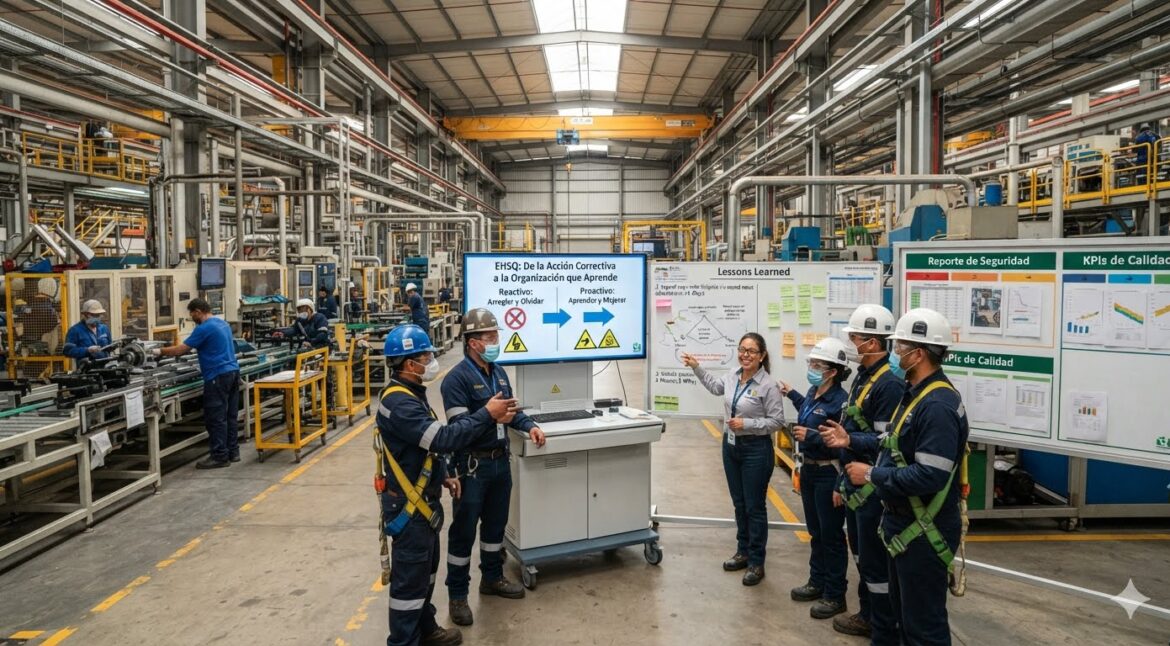
Organizations often dedicate significant effort to detecting non-conformities and implementing corrective actions. The challenge begins afterward: ensuring those actions are carried out, verifying their effectiveness, and learning from the experience. Continuous improvement, a core principle of management systems, requires that every deviation generates knowledge…
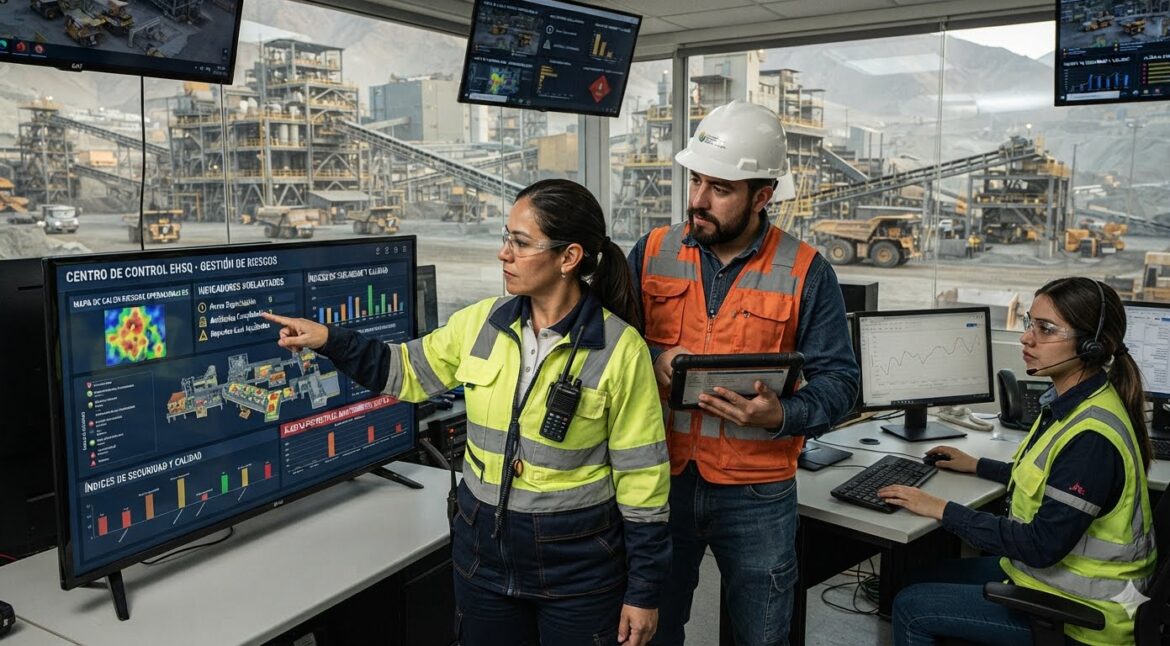
A company can have thousands of records of inspections, incidents, training sessions, audits, and medical checkups and still lack useful information for prevention. The problem is usually not a lack of data, but the difficulty in relating, interpreting, and translating it into actionable decisions. Modern EHSQ management needs to provide…
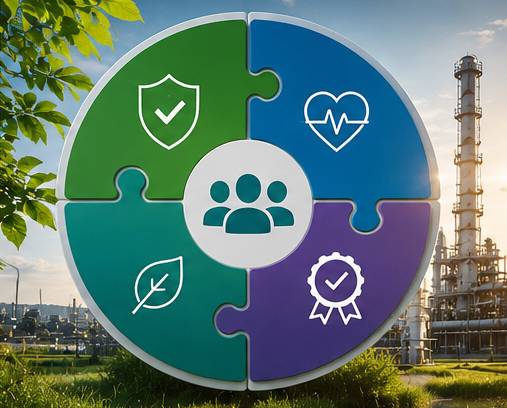
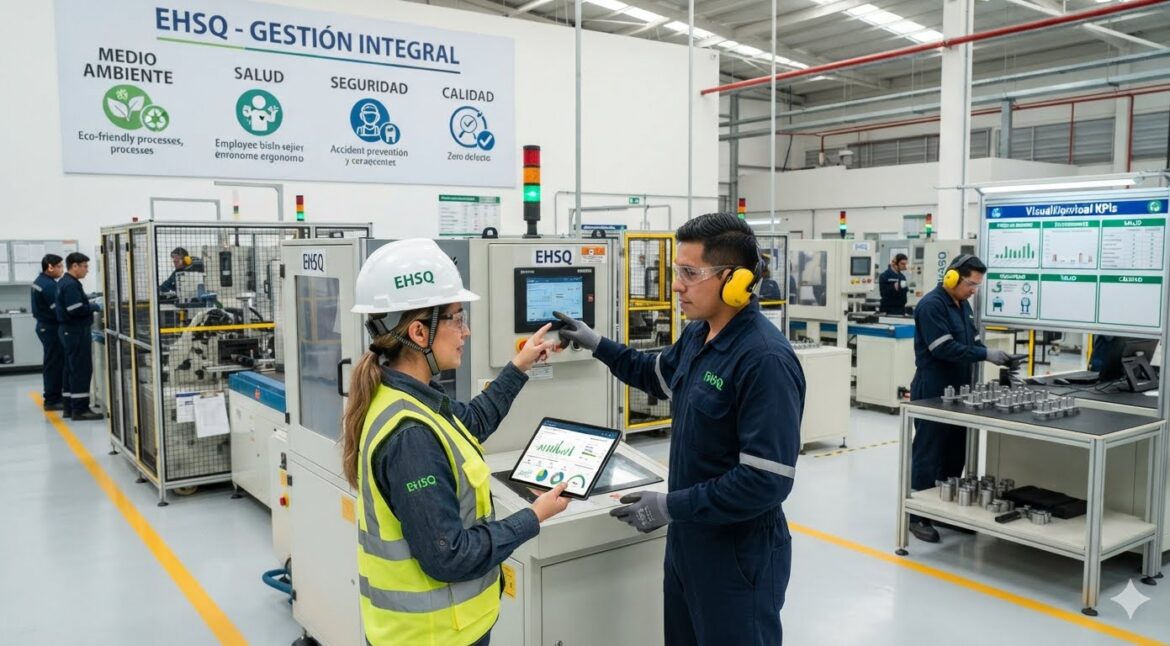
Occupational health and safety can no longer be managed as an activity isolated from the rest of the organization. In complex operations, risks, the health of people, environmental performance, and process quality are all interconnected. Therefore, moving towards an integrated EHSQ system allows…
The transformation towards integrated EHSQ management is transforming safety, health, quality and environment in companies, moving from reactive compliance to intelligent prevention based on data.
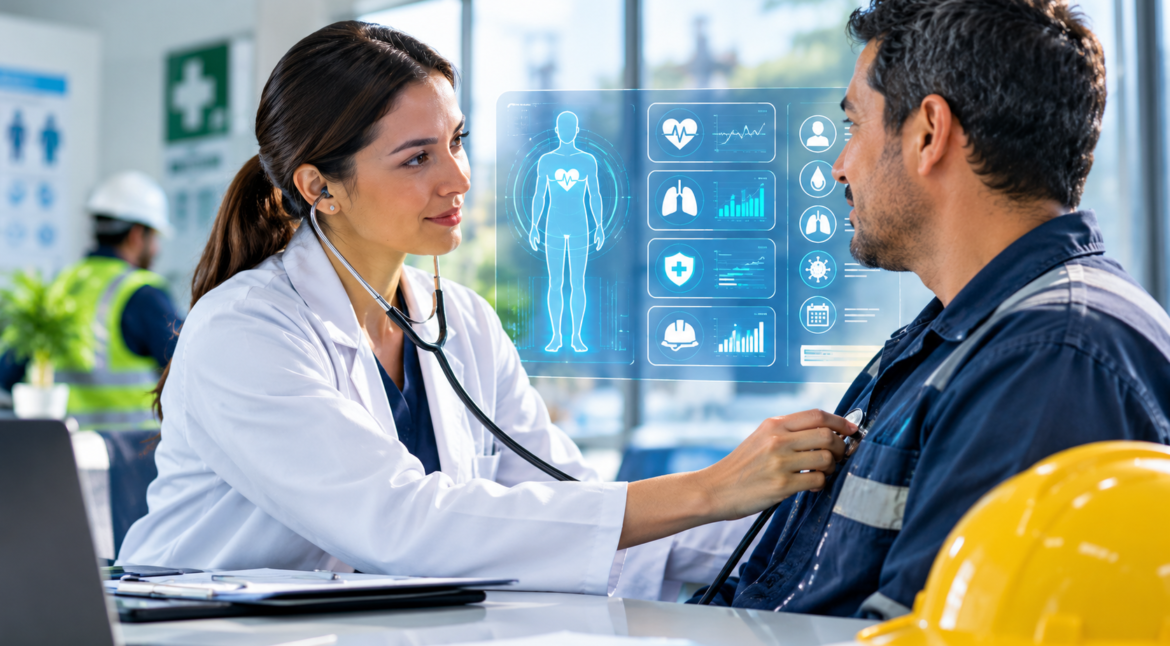
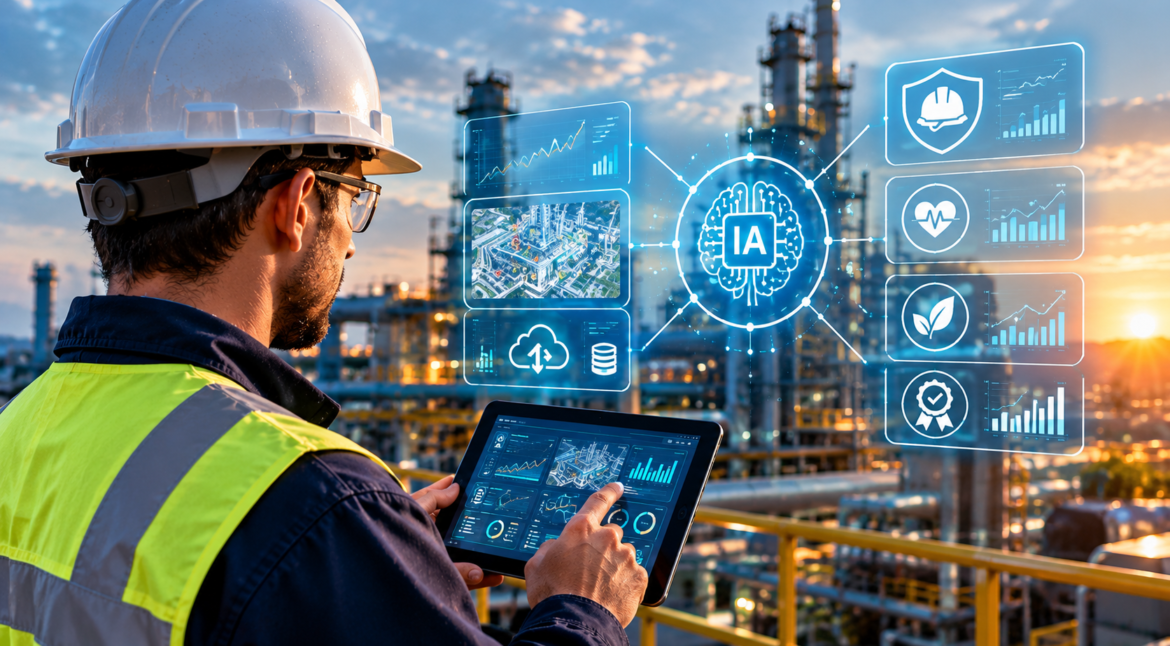
The evolution of artificial intelligence is bringing about a profound change in EHSQ management. Today, organizations can analyze large volumes of information in real time to identify risks, anticipate incidents, and strengthen decision-making in industrial safety, occupational health, environment, and quality.
In high-risk industries, accurate information can mean the difference between a safe operation and an incident with serious consequences. Document management has become a strategic element for ensuring regulatory compliance, strengthening EHSQ, HESQ, SST, and SSO systems, and ensuring that…
Nutrition directly influences workers' energy, concentration, performance, and well-being. However, in many organizations, this aspect is often overlooked within occupational health and safety strategies.
In the mining workplace, where extreme working conditions and inherent risks are a constant, safety is an essential pillar to ensure the continuity of operations. Every movement within the mine, whether it's a driver operating a heavy machine or a…
Workplace accidents and occupational diseases cause significant damage and losses to individuals, communities, and the State. There are several methodologies for quantifying them. For these calculations to be valid, they must not overlook the question of who bears these costs, identifying the individuals and groups who suffer the damage…
In the digital age, health, safety, and environment (HSE) management has evolved beyond paper forms and spreadsheets. Today, having the right HSE software can make the difference between a…