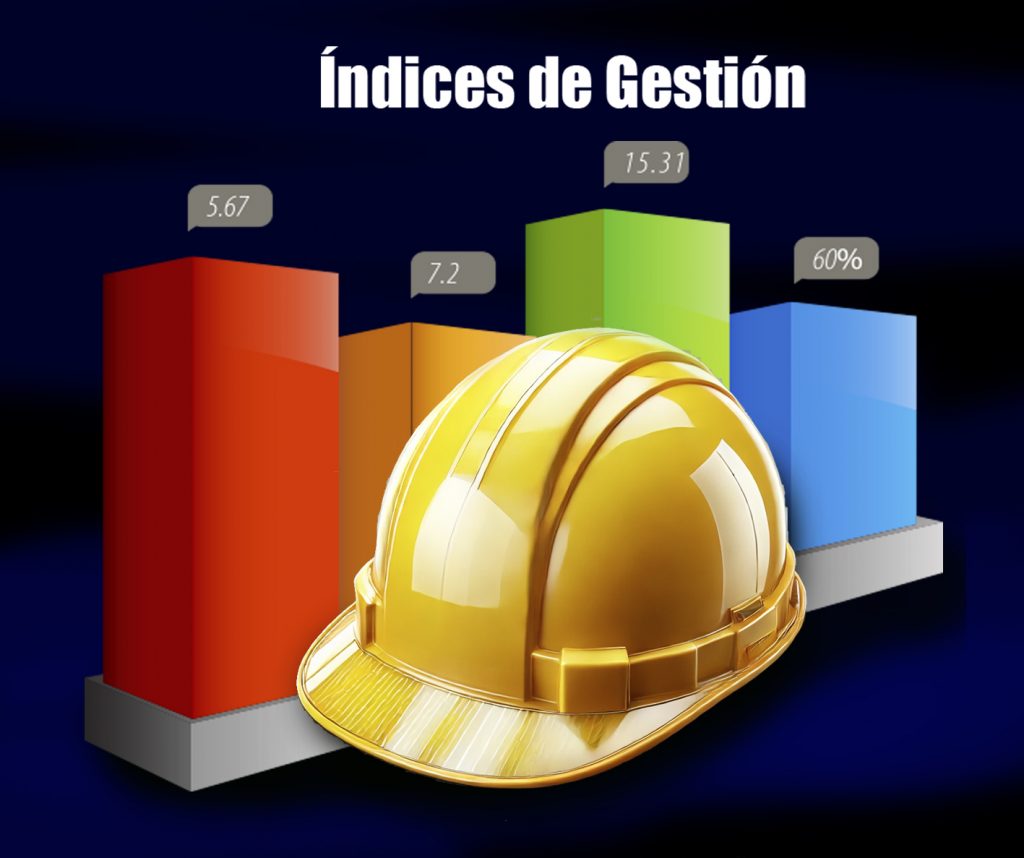
Industrial safety management indices are key tools for evaluating performance in terms of accident prevention and occupational risk management. These indicators provide accurate information that allows companies to identify areas for improvement and make informed decisions to mitigate hazards in their work environments.
Occupational health and safety are fundamental pillars for any company seeking not only regulatory compliance but also employee well-being and operational efficiency. In this context, industrial safety management indices are key tools for evaluating performance in terms of accident prevention and occupational risk management. These indicators provide accurate information that allows companies to identify areas for improvement and make informed decisions to mitigate hazards in their work environments.
In this article, we'll explore three of the most relevant indices: the frequency index, the severity index, and the risk rate, explaining their calculation, interpretation, and importance in workplace safety management. We'll also delve into the relevance of their annual report to the General Workers' Risk Insurance (SGRT) and how these data impact not only workplace safety but also a company's organizational culture.
1. Frequency Index: Measuring the Incidence of Accidents
The frequency rate (FR) is one of the most widely used indicators for assessing the number of workplace accidents in a company, taking into account the number of injuries per million hours worked. This index is essential for understanding whether safety policies are working and whether the work environment is free from imminent hazards.
Calculation of the Frequency Index:
IF=Number of Accidents with Sick Leave × 1,000,000 Hours Worked
IF=Hours WorkedNumber of Accidents with Leave × 1,000,000
Interpretation: A high frequency index indicates that workplace accidents are frequent. This could be the result of deficiencies in training, implementation of safety measures, or risk management. Conversely, a low index suggests that the company is doing a good job in terms of prevention, but there is always room for improvement.
This index is a direct reflection of the effectiveness of the company's preventive policies. While accidents can be unpredictable in some cases, the overall trend for this index should be downward, suggesting an improvement in safety protocols and the work environment.
2. Severity Index: Evaluating the Severity of Accidents
The Severity Index (SI) measures the severity of workplace accidents, representing the number of days lost per million hours worked. Unlike the frequency index, which only measures the number of accidents, the severity index provides an idea of the real impact these accidents have on the company's workforce.
Calculation of the Severity Index:
IG=DaysLost×1,000,000HoursWorked
IG=HoursWorkedDaysLost×1,000,000
Interpretation: This index is crucial for understanding not only how many accidents occur, but also how severe they are. If the severity index is high, it means that accidents are not only frequent but also have a significant impact on the company's operations, as workers are incapacitated for extended periods. This may reflect deficiencies in ergonomics, personal protective equipment, or work procedures.
A low severity index is a positive sign, as it indicates that, although accidents may occur, their consequences are less severe. This can be the result of proper risk management and prompt medical or emergency intervention when an accident occurs.
3. Risk Rate: Measuring the Relative Impact of Accidents
The risk ratio (RR) is another key indicator that relates the number of days lost due to accidents to the total number of accidents. This ratio allows companies to assess not only the number of incidents but also the magnitude of the impact of each one.
Calculation of the Risk Rate:
TR=Lost DaysNumber of Accidents
TR=NumberofAccidentsLostDays
Interpretation: A high risk ratio indicates that accidents tend to be serious, which could reflect failures in safety protocols, a lack of risk prevention training, or poor safety infrastructure. Conversely, a low risk ratio suggests that accidents are less serious and that workers recover quickly.
This index allows occupational health and safety managers to identify areas where work procedures need to be strengthened and where working conditions could be improved to reduce the risk of serious injury.
The Importance of Reporting to the SGRT
Frequency, severity, and risk indices are not just internal assessment tools. Companies are required to report these indicators annually to the General Workers' Risk Insurance (SGRT) during the month of January, as part of their commitment to occupational health and safety. This report serves several purposes:
Regulatory Compliance: Labor laws require companies to report workplace accidents, allowing the SGRT to monitor and regulate occupational risk management.
Continuous Improvement: The reported data provides a basis for identifying critical areas in risk management, facilitating the implementation of new emergency prevention and response strategies.
Benefits and Rewards: In many countries, companies that manage to reduce their accident rates can benefit from lower workers' compensation insurance premiums. This creates an economic incentive to continually improve workplace safety.
Organizational Culture: Constant analysis of these indicators fosters a culture of safety within the company. Employees feel more protected and valued when they see that the company is concerned about risk prevention and improving working conditions.
How to Improve Safety Ratings: A Data-Driven Approach
The key to improving safety indicators is proactive management of occupational risks. This involves not only complying with regulations, but also going further, implementing an effective, data-driven occupational health and safety management system.
Ongoing training: Training workers on the specific risks of their jobs and how to prevent accidents is essential.
Regular audits: Constant inspection of processes and infrastructure helps detect potential risks before they materialize into an accident.
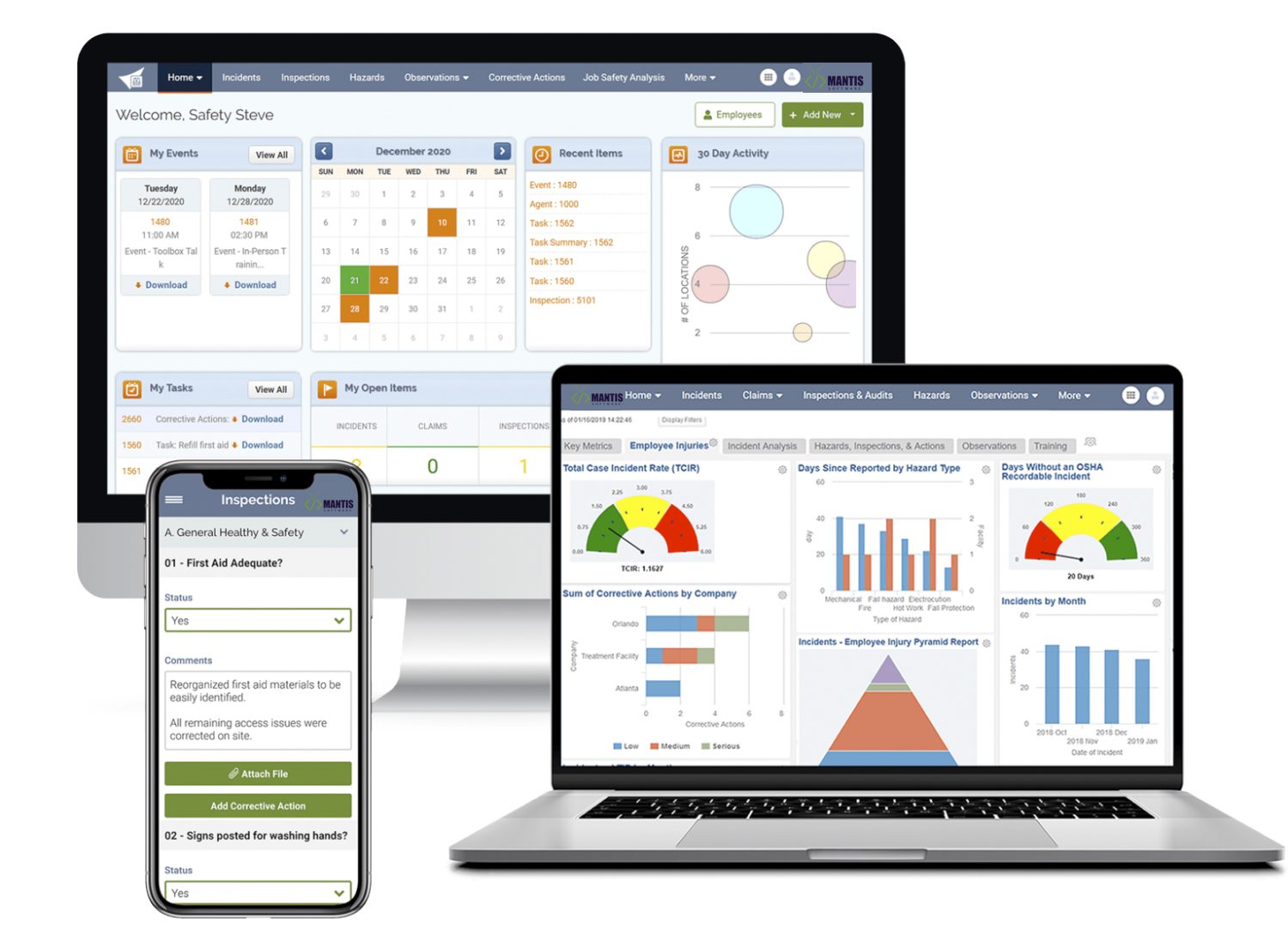
Technology and digital tools: Using specialized occupational health and safety management software can be a great help in keeping detailed records of incidents, generating automatic reports, and analyzing accident patterns.
Organizational culture: Foster an environment where employees feel responsible and committed to their own safety and that of their colleagues, promoting open communication and active participation.
Conclusion: Security as an Investment
Industrial safety management indicators, such as the frequency index, the severity index, and the risk rate, are not just numbers; they are powerful tools for transforming an organization's safety culture. Companies that take these indicators seriously and strive to continually improve not only comply with regulations but also build safer and healthier work environments.
Reporting these indices to the SGRT is not only an obligation, but an opportunity to objectively assess the state of workplace safety and implement improvements that benefit everyone involved. Workplace safety should be viewed as an investment in employee well-being, which ultimately results in increased productivity, lower turnover, and a better organizational climate.
Ultimately, investing in security means investing in the future of the company and the well-being of its employees.
FREE CALCULATOR TO GENERATE INDICES: https://iess.safetymantis.com/registro.html