Healthy eating at work: how does it impact safety, productivity, and well-being at work?
Nutrition directly influences workers' energy, concentration, performance, and well-being. However, in many organizations, this aspect is often overlooked within Occupational Health and Safety strategies..
Inadequate nutrition can affect physical and mental performance, increase fatigue, reduce attention span, and even increase the risk of workplace accidents.
For this reason, promoting healthy habits in the workplace has become an increasingly important practice within modern SHEQ management programs.
Why is nutrition important at work?
Many people spend more time at their workplace than at home, making workplace nutrition a key factor in maintaining good health and efficient performance.
A balanced diet helps to:
Improve concentration
Increase productivity
Reduce fatigue
Maintain adequate energy levels
Reduce absenteeism
Promote physical and mental well-being
Conversely, poor nutrition can lead to tiredness, drowsiness, slow reaction time, and decreased operational performance.
Nutrition and occupational risk prevention
The relationship between nutrition and workplace safety is more important than many organizations realize.
Workers who perform intense physical activities require a diet that provides them with enough energy to perform their tasks safely and efficiently.
At the same time, those who perform administrative or mentally demanding tasks need eating habits that promote concentration and reduce cognitive fatigue.
Examples of impact according to the type of work
Type of Work
Risk Associated with Poor Diet
Construction and physical labor
Fatigue, falls, low energy
Drivers and operators
Drowsiness and loss of attention
Administrative work
Mental fatigue and poor concentration
Long shifts
Stress, exhaustion, and poor performance
Proper nutrition directly contributes to improving responsiveness, reducing human error, and strengthening workplace well-being.
Keys to healthy eating in the workplace
Implementing healthy habits doesn't necessarily require major changes. Small actions can lead to significant improvements in employee health and productivity.
Practical recommendations
Weekly planning
Preparing meals in advance helps avoid frequent consumption of fast food or ultra-processed food.
Maintain a balanced diet
A healthy meal should include:
Vegetables and fruits
Proteins
Cereals or complex carbohydrates
Adequate hydration
Avoid ultra-processed foods
Excessive consumption of sugars, fats, and energy drinks can lead to subsequent fatigue and impair work performance.
Maintain good hydration
Hydration is essential to maintain concentration and prevent fatigue, especially in hot work environments.
Nutrition and mental health at work
Nutrition also has an impact on people's emotional and cognitive state.
A balanced diet promotes:
Greater mental clarity
Better decision making
Stress reduction
Better mood
Greater ability to concentrate
This is especially important in activities where attention and quick decision-making are critical for safety.
Promoting healthy habits within companies
Modern organizations are incorporating employee wellness programs aimed at improving the overall health of their employees.
Some recommended initiatives
Healthy eating campaigns
Wellness and nutrition talks
Hydration programs
Active breaks
Healthy menus in corporate cafeterias
Occupational health assessments
These actions strengthen the preventative culture and improve the organizational climate.
How Safety Mantis helps in occupational health and wellness programs
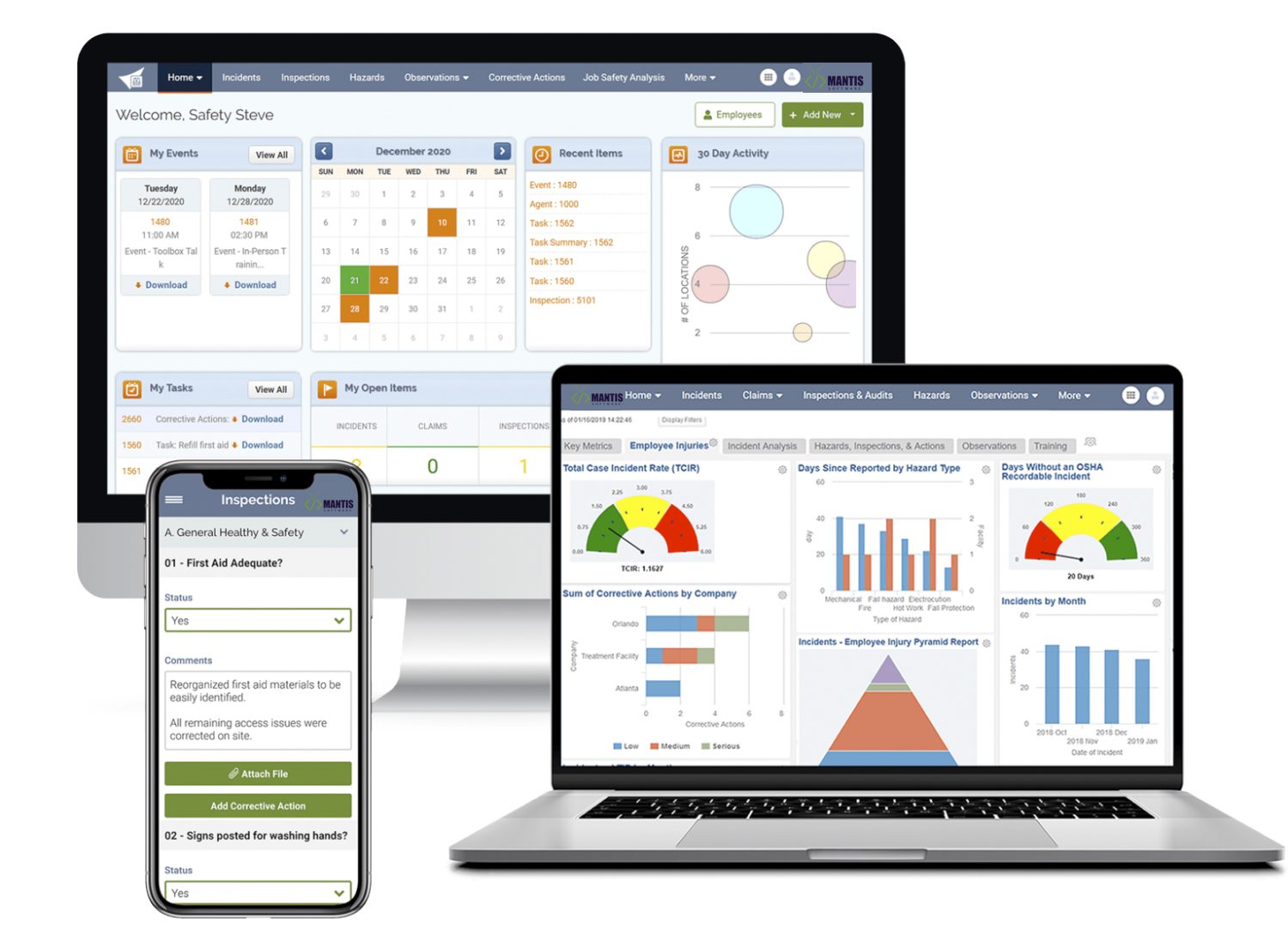
SHEQ digital management allows the integration of health, wellness, and prevention programs within a single platform.
Thanks to its integrated tools, Mantis Software facilitates modern preventive management focused on people and sustainable performance.
Conclusion
Healthy eating is a key component for improving safety, productivity, and well-being within organizations.
Promoting proper nutritional habits not only benefits the health of workers, but also contributes to reducing occupational risks, strengthening the preventive culture and improving operational performance.
Investing in well-being is investing in sustainability, efficiency, and prevention.